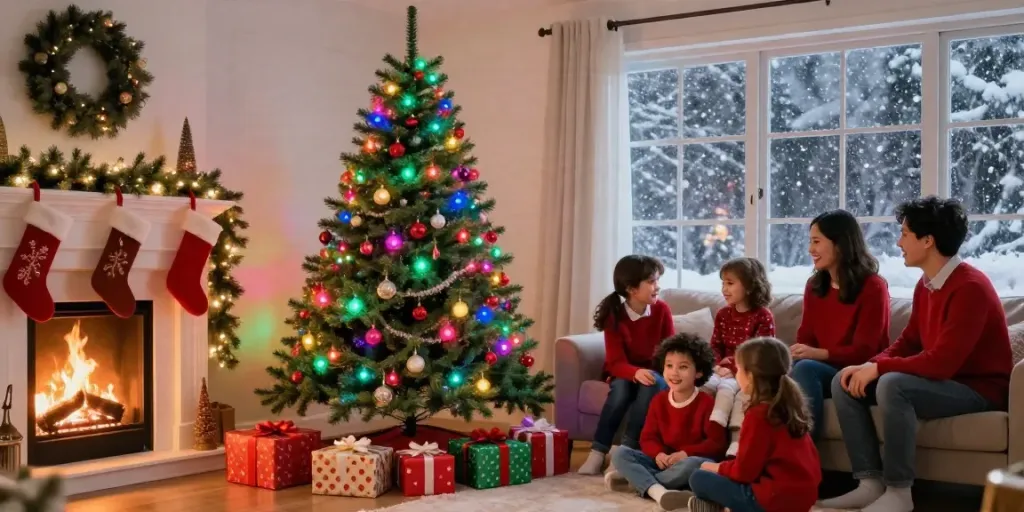
Understanding Fiber Optic Christmas Trees
As the holiday season approaches, many families look for unique ways to celebrate and decorate their homes. Among these, the fiber optic christmas tree has gained popularity for its dazzling light displays and low maintenance needs. These trees are not just visually appealing; they also symbolize innovation in holiday decor, blending technology with tradition. In this article, we will delve into the realm of fiber optic Christmas trees, exploring their functionality, advantages, and how they compare with traditional varieties.
What are Fiber Optic Christmas Trees?
Fiber optic Christmas trees are artificial trees that use optical fibers to illuminate their branches with vibrant colors. These trees come pre-lit, meaning that the light source is integrated into the tree structure itself. The optical fibers allow for bright displays and various light effects, providing a modern twist to the classic holiday centerpiece.
How Do They Work?
The technology behind fiber optic trees is relatively straightforward. A light source, often an LED, shines through the optical fibers threaded throughout the tree. The fibers carry the light along their length, allowing it to emit from their ends, which creates stunning visual effects. This technology enables dynamic lighting options, such as color changing, fading, and twinkling, enhancing the festive atmosphere in your home.
Common Features and Benefits
Fiber optic Christmas trees come with numerous features that make them desirable for many households. Key benefits include:
- Variety of Designs: Available in various shapes, sizes, and colors, catering to different stylistic preferences.
- Low Maintenance: Unlike traditional trees that require watering and shedding cleanup, fiber optic trees are easy to set up and store.
- Durability: Made from artificial materials, they are less likely to suffer from dryness or damage.
- Safety: With no heat generation from the lights, there is a reduced risk of fire hazards.
Advantages of Fiber Optic Christmas Trees
Vibrant Light Displays
One of the most compelling reasons to choose a fiber optic Christmas tree is the vibrant light display. The optical fibers provide a saturation of colors that can be adjusted to create various lighting effects. Many fiber optic trees also come with built-in settings that allow for different show patterns, making them more than just static decorations.
Energy Efficiency Compared to Traditional Trees
In comparison to conventional incandescent Christmas lights, fiber optic trees are significantly more energy-efficient. LED lights used in fiber optics consume less power and have a longer lifespan. This efficiency not only benefits the environment but also leads to savings on your energy bill during the holiday season.
Ease of Setup and Maintenance
Setting up a fiber optic Christmas tree is often a quicker process than that of traditional trees. With no need for stringing lights or dealing with natural foliage, you can easily assemble and disassemble the tree. Furthermore, the maintenance required is minimal. Simply dusting the tree occasionally will keep it looking fresh year after year.
Comparing Popular Brands and Options
Top Brands in Fiber Optic Trees
Several reputable brands dominate the market for fiber optic Christmas trees. Leaders like National Tree Company and Balsam Hill offer a range of styles, from classic to contemporary. Each brand provides unique features that cater to different consumer preferences, including various height options and decorative styles.
Price Ranges and Quality Differences
The price of fiber optic Christmas trees can vary considerably depending on the brand, size, and features. Generally, these trees range from about $50 for smaller tabletop versions to over $500 for larger, more elaborate designs. Investing in a quality tree is essential, as higher-end models typically offer better durability and more sophisticated lighting technology.
Customer Reviews and Ratings
When choosing a fiber optic Christmas tree, consumer feedback is invaluable. Many reviews highlight the ease of setup and the stunning light displays as major advantages. However, some customers report issues with the longevity of the lights on cheaper models, underscoring the importance of selecting a trusted brand.
Choosing the Right Fiber Optic Christmas Tree
Size and Style Considerations
When selecting a fiber optic Christmas tree, consider the space available for display. Fiber optic trees come in a variety of sizes, ranging from small tabletop models to large floor-standing options. Additionally, think about the overall style – whether you prefer a traditional green tree, a modern flocked tree, or a colorful alternative.
Where to Buy Fiber Optic Christmas Trees
Fiber optic Christmas trees can be found at numerous retail outlets, both online and in physical stores. Websites like Amazon and major retailers like Walmart offer a vast selection and competitive pricing, while specialty stores may provide higher-end options.
Tips for Decorating Your Fiber Optic Tree
While fiber optic trees are stunning on their own, many people like to add personal touches. Consider using non-lighted ornaments to complement the vibrant colors. Additionally, you can enhance the tree's visual appeal with themed decorations that match your overall holiday decor.
Future Trends in Holiday Decor for 2026
Emerging Technologies in Christmas Trees
As technology continues to evolve, so does the design of holiday decor. In 2026, we anticipate seeing advancements such as smart fiber optic trees that can be controlled via smartphone apps, allowing for customizable light displays synchronized with music or other smart home devices.
Sustainable and Eco-Friendly Options
With the growing emphasis on sustainability, many manufacturers are exploring eco-friendly materials for fiber optic trees. Innovations may include using recycled plastics or sustainably sourced materials, appealing to environmentally conscious consumers seeking beautiful yet responsible holiday decorations.
Consumer Preferences and Buying Behavior
As more families prioritize convenience and sustainability, the demand for fiber optic Christmas trees is expected to rise. Consumers are increasingly looking for decorations that offer not only aesthetic appeal but also an alignment with their values concerning ease of use and environmental impact.