
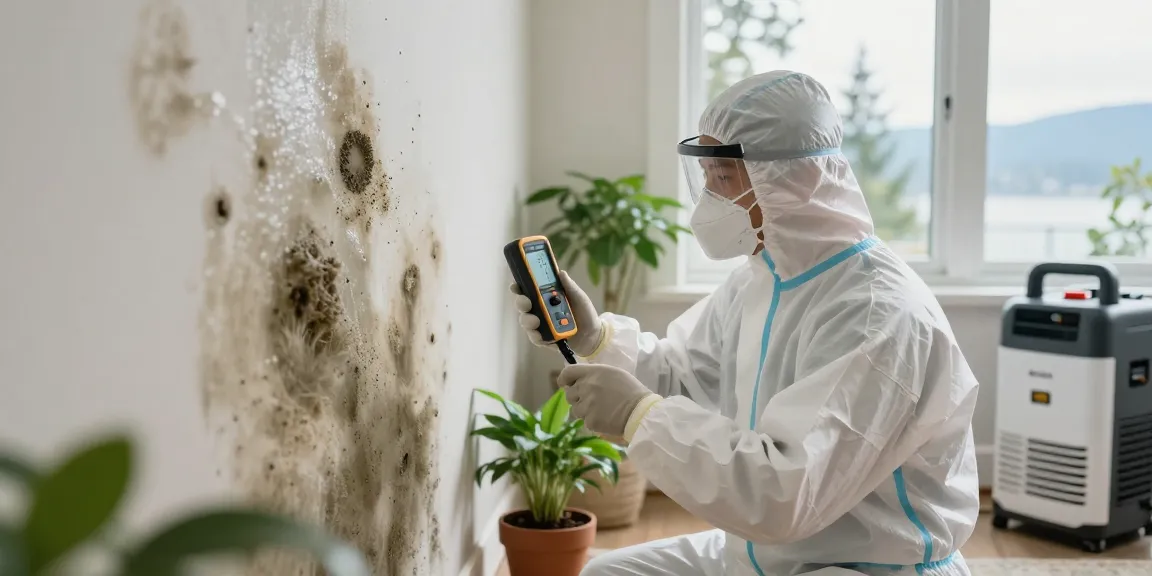
Understanding Mold Remediation Vancouver
Mold is an uninvited guest that can disrupt the safety and comfort of your home, particularly in regions like Vancouver, where humidity levels are notoriously high. Mold remediation involves more than just cleaning visible mold; it requires a comprehensive strategy to eliminate the spores, address underlying moisture issues, and restore your living space to a safe condition. When exploring options, Mold Remediation Vancouver provides comprehensive insights into identifying, managing, and preventing mold infestations effectively.
What is Mold Remediation?
Mold remediation is the process of identifying, removing, and preventing the return of mold in indoor environments. This specialized procedure is crucial in spaces where mold has proliferated due to dampness and poor ventilation. The goal of mold remediation is not only to remove mold but also to restore the environment to a healthy state by addressing the moisture problem that caused the mold growth.
Importance of Professional Mold Remediation
Engaging professionals for mold remediation is essential for several reasons:
- Expertise: Trained technicians understand the science behind mold growth and how to address it effectively.
- Safety: Professionals use protective gear and equipment to safeguard against exposure to harmful mold spores.
- Comprehensive Solutions: Professionals address not just the visible mold but also the underlying moisture sources, preventing recurrence.
- Insurance Compliance: Proper documentation and remediation can facilitate claims with your insurance provider.
Common Mold Types in Vancouver Homes
In Vancouver, homeowners must be vigilant about various types of mold that can invade their properties. The most common species include:
- Aspergillus: Often found in damp areas, this mold can produce allergens and is particularly hazardous to individuals with respiratory issues.
- Cladosporium: This mold thrives in both indoor and outdoor environments, often appearing as black spots on surfaces.
- Stachybotrys (Black Mold): Known for its toxic properties, black mold can cause severe health issues and typically grows in damp environments.
- Penicillium: This mold can grow on water-damaged materials, including carpets and insulation, and can cause allergic reactions.
The Mold Remediation Process
Understanding the mold remediation process is crucial for homeowners facing mold issues. It generally involves several steps aimed at effectively removing mold and preventing it from returning.
Initial Inspection and Moisture Assessment
The first step in the mold remediation process is to conduct a thorough inspection of your property. Professionals will look for visible signs of mold as well as areas prone to moisture accumulation. Moisture meters and thermal imaging cameras can be used to locate hidden mold in places like attics, behind walls, and beneath flooring.
Containment Strategies for Effective Remediation
Once the mold is identified, containment strategies are paramount to prevent the spread of spores during the remediation process. This may involve sealing off affected areas with plastic sheeting and employing negative air pressure systems to ensure that spores do not circulate to other parts of the home.
Restoration Techniques After Mold Removal
After the mold is safely removed, restoration efforts begin. This may involve repairing or replacing damaged materials, such as drywall or carpeting, and applying antimicrobial treatments to surfaces to ensure that any residual spores are eliminated. A final inspection ensures that the area is safe for reoccupation.
Identifying Mold Growth in Your Home
Recognizing mold growth early can save you from substantial repair costs and health risks. Here are some signs and areas to check in your home.
Signs You Need Mold Remediation
- Musty Odors: A persistent musty smell in your home is often a sign of hidden mold.
- Visible Mold: Black, green, or white patches on walls, ceilings, or furnishings indicate mold growth.
- Water Damage: Signs of water damage, such as stains or peeling paint, should prompt an immediate inspection.
- Allergies or Respiratory Issues: If you or family members experience unexplained allergy symptoms, mold may be the culprit.
Where Mold Typically Hides in Vancouver Homes
Mold can grow in various hidden spots throughout your home. Common locations include:
- Attics and crawlspaces
- Behind drywall and wallpaper
- Under sinks and faucets
- Around windows and doors
- In HVAC ducts and systems
Health Risks Associated with Mold Exposure
Mold exposure can lead to a range of health problems, particularly for vulnerable populations, including:
- Respiratory Issues: Mold spores can cause asthma and allergic reactions.
- Skin Irritation: Contact with mold can lead to rashes and irritation.
- Immune System Effects: Prolonged exposure can weaken the immune system, making individuals more susceptible to infections.
Preventing Future Mold Growth
To ensure your home remains safe and mold-free after remediation, it’s essential to implement preventive measures. Here are some best practices.
Best Practices for Moisture Control
Controlling moisture is key to preventing mold growth. Consider these strategies:
- Ventilation: Ensure bathrooms, kitchens, and laundry rooms are well-ventilated to minimize humidity.
- Dehumidifiers: Use dehumidifiers in areas prone to dampness to keep humidity levels in check.
- Regular Inspections: Periodically check for leaks and other moisture sources in your home.
Using Antimicrobial Treatments
Post-remediation, antimicrobial treatments can help inhibit mold regrowth. These products are designed to target mold spores that may remain on surfaces, ensuring a longer-lasting solution.
Improving Indoor Air Quality in Vancouver Homes
Good indoor air quality is essential for a healthy home environment. Consider the following tips:
- Air Purifiers: Invest in HEPA-filtered air purifiers to capture airborne mold spores.
- Regular Cleaning: Maintain a routine cleaning schedule to prevent dust and mold buildup.
- Use Natural Cleaning Products: These can reduce the risk of chemical reactions that might encourage mold growth.
Frequently Asked Questions
Understanding the intricacies of mold remediation can help homeowners make informed decisions. Below are some common questions.
How Long Does Mold Remediation Take?
The duration of mold remediation depends on the extent of the infestation, the size of the affected area, and the underlying moisture issues. Small jobs may take a day, while extensive remediation can take several days.
Can You Stay in Your House During Mold Remediation?
It’s generally advised to vacate the premises during the remediation process, especially if you’re dealing with toxic mold species like black mold. Remediation companies can advise on whether it’s safe to remain in your home.
What Affects the Cost of Mold Remediation?
The cost of mold remediation can vary significantly based on several factors, including the size of the affected area, the type of mold present, accessibility, and the need for repairs after removal. An initial inspection can help provide a more accurate estimate.