
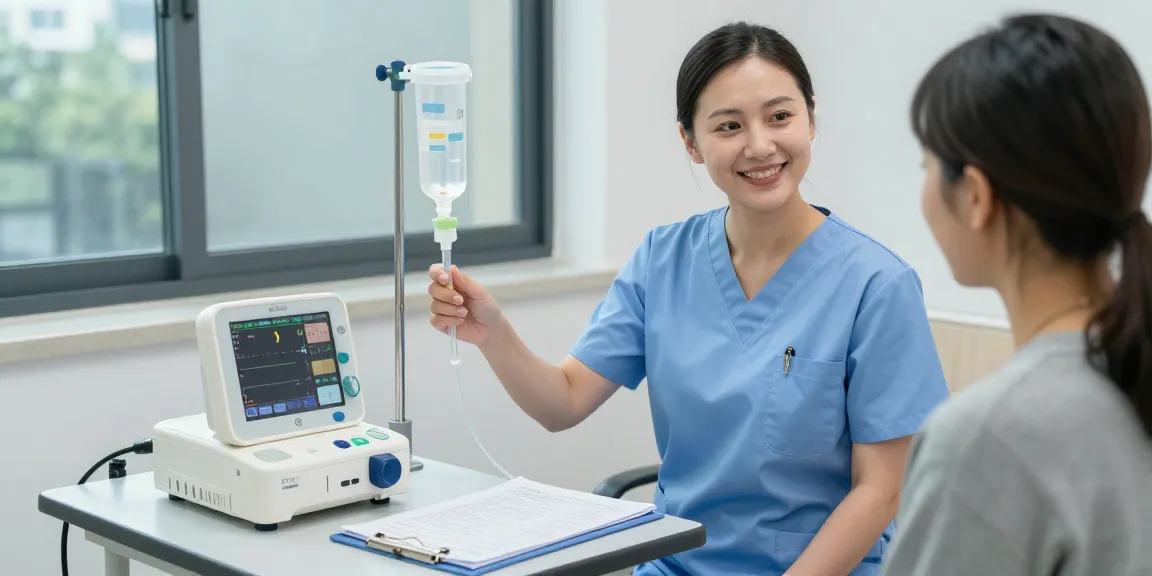
Understanding Feeding Tube Machines
Feeding tube machines, also known as enteral feeding pumps, play a crucial role in the landscape of modern healthcare. These devices are specifically designed to deliver nutrition directly to patients who cannot consume food orally. They are particularly important for individuals with conditions such as neurological disorders, severe swallowing difficulties, or gastrointestinal issues. When exploring options, feeding tube machine technology provides comprehensive insights into how these devices can enhance patient care.
What is a Feeding Tube Machine?
A feeding tube machine is a medical device that dispenses liquid nutrition through a tube inserted directly into the stomach or small intestine. These machines are equipped with various settings that allow healthcare providers to control the rate and volume of nutritional delivery, ensuring that patients receive the appropriate amount of calories and nutrients needed for their specific health conditions. These devices can be classified into different types, including gravity-fed systems, automated pumps, and portable models, each suited to different patient needs and settings.
How Feeding Tube Machines Work
The operation of feeding tube machines is relatively straightforward yet sophisticated. Most modern pumps use electronic controls to regulate the flow of liquid nutrition. The healthcare provider sets the desired rate of infusion, which can vary over time, and the machine administers the nutrition accordingly. This infusion can occur continuously or intermittently, depending on the patient’s requirements and tolerance. Additionally, many machines come with safety features such as alarms for blockages or low-battery warnings, ensuring that patients receive their nutrition safely.
Common Uses for Feeding Tube Machines
Feeding tube machines are used in a variety of clinical scenarios. Common uses include:
- Patients with swallowing difficulties due to neurological conditions such as stroke or ALS.
- Individuals recovering from surgery who are unable to eat normally.
- Patients with chronic illnesses like cancer, where oral intake is insufficient.
- Children with congenital anomalies that impair normal feeding.
Benefits of Feeding Tube Machines in Patient Care
Improved Nutritional Delivery
One of the most significant benefits of feeding tube machines is their ability to provide precise nutritional delivery. By controlling the rate of feeding, these machines ensure that patients receive optimal nutrition tailored to their individual needs. This precision can lead to better health outcomes by preventing malnutrition, which can severely affect recovery and overall health.
Enhanced Patient Comfort and Safety
Feeding tube machines contribute to enhanced patient comfort by providing a reliable method of nutrition that minimizes discomfort associated with traditional feeding efforts. Additionally, the use of these machines can reduce the risk of aspiration—a serious complication in patients with swallowing difficulties—thus improving overall safety.
Cost-Effectiveness and Healthcare Efficiency
Using feeding tube machines can also lead to cost savings for healthcare providers. By ensuring patients receive adequate nutrition, these machines can reduce the length of hospital stays and lower the risk of complications that might require additional treatments. Moreover, the automation of feeding processes allows nursing staff to focus their efforts on other critical areas of patient care, improving overall efficiency in healthcare settings.
Challenges and Considerations
Potential Complications with Feeding Tube Machines
Despite their benefits, feeding tube machines do come with potential complications. Common concerns include tube dislodgment, blockage, and infection at the insertion site. Healthcare providers must monitor for these issues closely and educate patients and caregivers on signs of complications to reduce the risk of serious health issues.
Addressing Patient Concerns and Misconceptions
There can be significant misconceptions surrounding feeding tube machines. Some patients worry that using a feeding tube may imply a decline in their health or independence. Healthcare professionals should address these concerns by providing clear information on the purpose of feeding tubes and the benefits they offer, emphasizing that they are a tool for improving quality of life.
Best Practices for Safe Usage
To ensure safe usage, healthcare providers should follow established protocols for the insertion and maintenance of feeding tubes. These best practices include regular assessments of tube placement, monitoring for signs of infection, and educating patients on proper care techniques at home. Routine training for healthcare staff in the use of feeding tube machines is also essential to minimize risks.
Future of Feeding Tube Technology
Innovations on the Horizon for 2026 and Beyond
The landscape of feeding tube technology is evolving rapidly. Innovations set to emerge by 2026 include more sophisticated pumps that adapt to individual patient needs in real-time, enhancing the precision of nutritional delivery. Additionally, developments in biocompatible materials for tubes can decrease the risk of infections and improve patient comfort.
How AI is Shaping Feeding Tube Machines
Artificial intelligence (AI) is poised to revolutionize the realm of feeding tube machines. Future devices may integrate AI algorithms to personalize feeding regimens based on real-time data, such as weight changes and metabolic rates. This technology has the potential to optimize patient outcomes significantly by adjusting feeding parameters automatically.
Predictions for Optimal Patient Outcomes
With the continued advancement of feeding tube technology and AI integration, we can anticipate notable improvements in patient outcomes. Enhanced nutritional delivery mechanisms will likely improve recovery times and overall health for individuals reliant on feeding tubes, leading to a more effective and compassionate approach to patient care.
Implementing Feeding Tube Machines in Healthcare Settings
Step-by-step Guide for Healthcare Providers
Implementing feeding tube machines in a healthcare setting involves a systematic approach:
- Assess patient needs and determine the appropriateness of enteral feeding.
- Select an appropriate feeding tube machine based on patient requirements.
- Educate the healthcare team on proper usage and care protocols.
- Monitor patient responses and adjust feeding regimens as needed.
Training and Support for Medical Staff
Effective training is critical for staff who will be managing feeding tube machines. This training should encompass device operation, troubleshooting common issues, and patient-centered care techniques. Ongoing support should also be available to address any questions or complications that arise during patient care.
Measuring Success and Patient Satisfaction
To evaluate the success of feeding tube implementation, healthcare providers should establish metrics that assess both clinical outcomes and patient satisfaction. Regular feedback from patients and their families can provide valuable insights into the effectiveness of the feeding regimen and the overall experience with the feeding tube machine.
What are the main types of feeding tube machines?
Feeding tube machines primarily fall into three categories: automatic pumps, gravity-fed systems, and portable devices. Each type serves different patient populations and clinical scenarios, allowing healthcare providers to tailor nutritional support effectively.
How can I ensure the safety of using feeding tube machines?
Ensuring the safety of feeding tube machines involves adherence to best practices, including regular monitoring, proper training, and prompt responsiveness to any complications that arise.
What innovations can we expect in feeding tube technology?
Future innovations will likely focus on more adaptive feeding systems that incorporate AI for personalized nutrition management, along with improved materials for greater comfort and reduced infection risks.
What are common complications and how to address them?
Common complications include blockages, infection, and tube dislodgment. Addressing these through vigilant monitoring and patient education is key to minimizing risks.
How do feeding tube machines impact patient recovery?
Feeding tube machines significantly enhance patient recovery by ensuring that individuals receive the necessary nutrients efficiently, which is crucial for healing and maintaining health.