Understanding Premium Metal Roofing
When considering roofing options for your property, it's essential to understand the advantages offered by modern technologies in roofing systems. Premium Metal Roofing, particularly standing seam metal roofs, has emerged as a favored choice among homeowners and builders alike. This roofing type is not only attractive but also provides remarkable durability and energy efficiency, making it suitable for various architectural designs, including low-slope and contemporary structures.
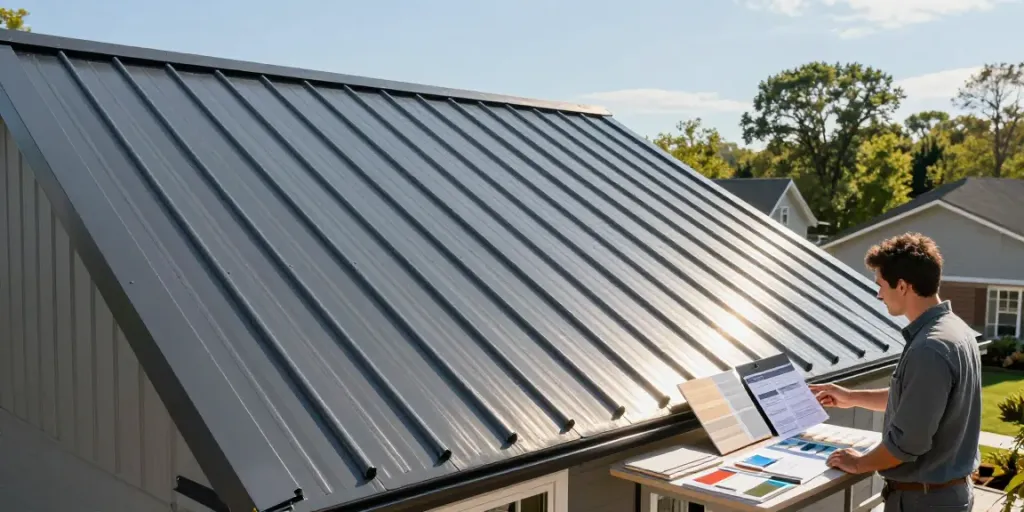
Standing seam metal roofing is characterized by its vertical panels that are raised above the level of the roof's substrate, creating an interlocking system that enhances both aesthetics and functionality. With superior water drainage and snow-shedding capabilities, it effectively protects homes against the harshest weather conditions. For those exploring options, Premium Metal Roofing provides comprehensive insights into the selection process for your roofing project.
What is Standing Seam Metal Roofing?
Standing seam metal roofing consists of panels that are mechanically locked together, forming a continuous, sleek appearance. This design not only adds a modern touch to any building but also facilitates effective water runoff, reducing the risk of leaks. Typically made from galvanized steel available in various gauges (commonly 24 or 26), these roofs are engineered to withstand extreme weather conditions, including heavy snow, fierce winds, and prolonged exposure to sunlight.
Key Benefits of Premium Metal Roofing
The benefits of premium metal roofing extend beyond mere aesthetics. Here are some key advantages:
- Durability: These roofs can last 40 to 70 years or more, significantly outlasting traditional asphalt shingles.
- Energy Efficiency: Metal roofs reflect solar radiant heat, reducing cooling costs in summer while providing proper insulation in winter.
- Low Maintenance: Unlike other roofing materials, premium metal roofs require minimal upkeep, saving homeowners time and money.
- Environmentally Friendly: Metal roofing is often made from recycled materials and can be recycled at the end of its life, contributing to sustainability.
Comparison with Traditional Roofing Options
When compared to traditional roofing materials, such as asphalt shingles or wood shakes, standing seam metal roofs offer superior longevity and performance. Asphalt roofs typically last 15 to 30 years and may require replacement or costly repairs within that timeframe. On the other hand, standing seam roofs provide a more robust solution that can withstand weather extremes, making them a cost-effective investment over time.
Durability and Longevity of Metal Roofs
Material Specifications for Premium Metal Roofing
Premium metal roofing is predominantly composed of high-quality galvanized steel, which minimizes the risk of rust and corrosion. Each panel is designed to interlock with adjacent panels, creating a seamless barrier against the elements. Homeowners can also choose from other materials like aluminum or copper, which provide different benefits depending on geographical conditions and personal preferences.
Weather Resistance and Lifespan
One of the primary reasons homeowners choose standing seam metal roofing is its exceptional resistance to severe weather. In regions prone to heavy snowfall or hurricanes, the aerodynamic design helps prevent the accumulation of snow and ice, reducing load stress on the roof. Additionally, it can withstand wind gusts of up to 140 mph, outpacing many traditional roofing materials.
Maintenance Requirements and Cost-Effectiveness
While the initial investment for a standing seam metal roof may be higher than that of asphalt shingles, the long-term savings significantly outweigh these upfront costs. The low-maintenance nature of metal roofs eliminates the need for regular inspections or repairs, which can be costly over time. Homeowners can expect to save money on both energy bills and maintenance, making premium metal roofing a financially savvy choice.
Energy Efficiency and Environmental Impact
How Metal Roofs Contribute to Energy Savings
Metal roofing systems aid in energy conservation by reflecting solar energy rather than absorbing it. This property helps keep homes cooler during warm months, leading to decreased reliance on air conditioning systems and reduced energy bills. Furthermore, many standing seam systems can accommodate insulation, enhancing overall thermal performance.
The Role of Insulation in Metal Roofing
Adding insulation beneath a metal roofing system amplifies its energy efficiency. Insulation helps create a thermal barrier that keeps homes warmer in winter and cooler in summer. Moreover, this combination of metal roofing and insulation results in greater energy efficiency ratings, potentially qualifying homeowners for energy credits or rebates.
Eco-Friendly Materials and Sustainability Practices
The manufacturing process for metal roofing typically uses recycled materials, and the roofs themselves are 100% recyclable at the end of their lifespan. Choosing this product positively impacts the environment and contributes to sustainable building practices, aligning with the growing trend toward eco-conscious construction.
Design Versatility and Customization Options
Color and Finish Choices for Homeowners
One of the appealing aspects of standing seam metal roofing is the range of colors and finishes available. Homeowners can choose from a vast palette to complement their home’s exterior and personal style. Available finishes include coatings that enhance durability and UV resistance, adding to the longevity and attractiveness of the roof.
Impact on Curb Appeal and Property Value
A high-quality roof significantly contributes to the overall curb appeal of a property. A standing seam metal roof can elevate a home’s aesthetic, making it stand out in the neighborhood. This added value may also translate into a higher resale price, appealing to prospective buyers looking for modern and durable construction.
Compatibility with Solar Installation and Other Features
Standing seam metal roofs are particularly well-suited for solar panel installations due to their structural design. Many homeowners choose this roofing type to facilitate the integration of solar energy systems, as the panels can be mounted directly onto the seams without penetrating the roof, minimizing leak risks. Additionally, features such as snow retention systems can also be installed seamlessly, enhancing the roof's functionality.
Installation Process and Considerations
Selecting a Qualified Metal Roofing Contractor
Finding a certified roofing contractor experienced in installing standing seam metal roofs is crucial to ensure quality workmanship. Homeowners should look for professionals equipped with the necessary training and certifications from manufacturers to guarantee that the installation meets industry standards.
Steps Involved in Installing Metal Roofing
The installation process for standing seam metal roofing generally involves several key steps:
- Preparation of the roof deck, ensuring it is clean and dry.
- Installation of underlayment and insulation for added energy efficiency.
- Fitting of metal panels, starting from one side and moving across the roof.
- Securing the seams, ensuring they meet manufacturer specifications for water resistance.
- Additional features such as flashing and trim installations.
Common Myths About Metal Roofing Installation
Several misconceptions about metal roofing exist that may deter homeowners from considering this option. Common myths include the belief that metal roofs are excessively noisy during rain or hail, which is not the case when properly installed. Additionally, some believe that metal roofs are prone to rust, but modern coatings and materials have significantly mitigated this issue, offering robust protection against the elements.
What are the advantages of metal roofing?
Metal roofing provides numerous advantages, including longevity, durability, energy efficiency, and a wide variety of aesthetic options. It is increasingly becoming a popular choice among homeowners and builders alike.
How much does installing a premium metal roof cost?
The cost of a premium metal roof installation varies based on factors such as material choice, roof size, and local labor rates. Generally, the price can range between $7 to $12 per square foot, including materials and labor.
What types of buildings benefit from metal roofing?
Metal roofing is suitable for nearly any type of construction, including residential homes, commercial buildings, and agricultural structures, thanks to its versatility and durability.
How does metal roofing compare to asphalt shingles?
While asphalt shingles generally have a lower initial cost, standing seam metal roofing offers a significantly longer lifespan, lower maintenance needs, and better energy efficiency, making it a wise long-term investment.
What are the best practices for maintaining metal roofing?
Maintaining a metal roof typically involves periodic inspections, cleaning debris off the surface, and ensuring that the seams remain intact. Regular maintenance helps maximize durability and performance.